
Reading time ⏱ : 3 minutes
October 1, 2025 – Finances: Why Learning Is Essential
You know that moment when a single explanation makes you rethink everything you thought you knew? That is exactly what happened to me during the Let’s Get Together conference last June, in a session led by Véronique Berthiaume. The topic sounded straightforward: personal finances. But that day, something clicked. For the first time, someone clearly explained the difference between saving money, setting money aside, and investing. And I realized that, despite my best intentions, I wasn’t actually doing what I thought I was doing.
Like many people, I believed that putting a little cash aside at the end of the month meant I was “investing in my future.” I thought that grabbing a sale item instead of paying full price, or skipping dinner out, meant I was “saving.” In reality, most of what I was doing was spending less in the moment. That is not useless (in fact, it’s an important habit these days) but it is not enough if you want to build long-term financial security.
Here is how I now see it: saving money is making an immediate choice to spend less, like canceling a subscription you don’t use or buying something
second-hand. It is tangible, it reduces your expenses. But unless you redirect that freed-up money somewhere purposeful, it tends to vanish into everyday spending. Yes, you “saved” $50… but it’s gone by the end of the month.
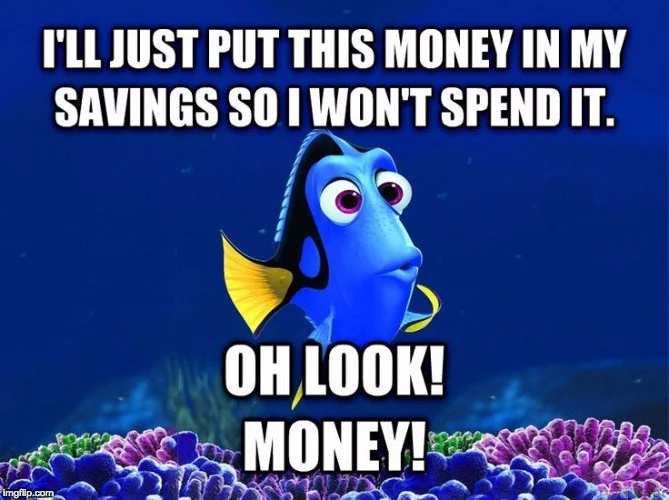
Setting money aside (what many call “saving” in the long-term sense) is different. It is a deliberate act, putting away a specific amount, big or small, for a clear purpose. Whether it is for an emergency fund, a dream trip, or your kids’ future, this is what truly builds a safety net. And here is the mindset shift that stuck with me: you don’t wait to see what is left at the end of the month, you do it at the start, like an appointment with yourself. Even $10 or $20 counts. The magic is in the intention and the consistency, not the size of the amount.
Then there’s investing. For a long time, the word intimidated me. I pictured it as
something only for the wealthy or finance experts. But Véronique broke it down: “Investing is simply putting your money to work”. It is accepting a little risk in exchange for potential growth. That could mean the stock market, a TFSA or RRSP, but it could also mean investing in yourself, through education, training, or launching a project. I used to think I wasn’t “ready” to invest, but it turns out I was already doing it without realizing it.
What struck me most was the idea that we can and should do all three at once. Spend less to create breathing room. Set money aside to protect yourself. Invest to build your future. You can start small. You don’t need to understand every detail from day one. The key is to begin, to ask yourself the right questions, and to let go of the myths holding you back.
Since that conference, I’ve rethought my approach to money. I am not a financial expert now, but I have more clarity and a bit more confidence. So if you, too, feel like you are “being careful” with your finances but not really seeing progress, here is one simple question to ask yourself: Am I spending less, setting money aside, or investing? Because they are not the same thing. And once you see the difference, everything changes.
A participant who is growing more and more confident with her finances.